
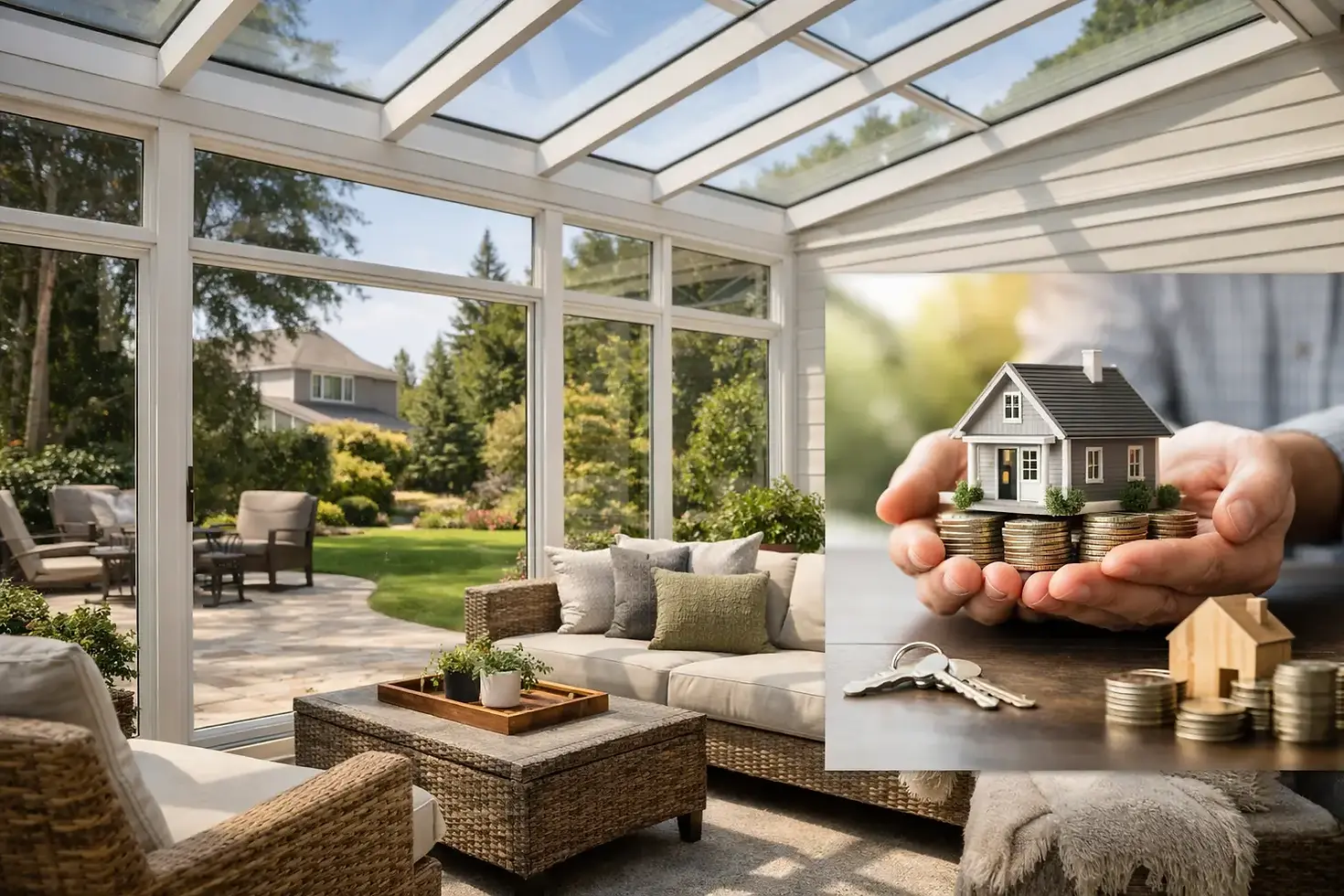
Do Sunrooms Add Home Value? What to Expect
A bright, comfortable room that gets used every day feels valuable. But when homeowners ask, do sunrooms add home value, the real answer is more specific than a simple yes or no. A well-designed sunroom can absolutely improve resale appeal and perceived value, but the return depends on how it is built, how it fits the home, and what buyers in your market actually want.
In Southern California, that question matters even more. Outdoor living is part of daily life here. Buyers are not just looking at square footage on paper. They are noticing how a home handles sunlight, airflow, shade, and usable space for relaxing, entertaining, and spending time with family. A custom sunroom can meet those needs in a way that feels both practical and premium.
Do sunrooms add home value in California?
In many cases, yes. A sunroom can make a home more attractive to future buyers because it expands how the property lives. It gives homeowners a flexible space that feels connected to the outdoors while offering more protection from heat, wind, insects, and occasional rain. That added comfort can make a strong impression during resale.
Still, not every sunroom adds value in the same way. Buyers respond to quality. If the room looks like an afterthought, clashes with the home's architecture, or feels too hot to use, it may not deliver the result the owner hoped for. If it feels integrated, comfortable, and professionally finished, it is more likely to support a higher asking price or a faster sale.
In California neighborhoods where outdoor comfort is a major selling point, a sunroom often carries extra appeal because it increases year-round usability. That is especially true when the design helps manage glare, sun exposure, and airflow without closing off the open feel homeowners want.
What buyers actually value in a sunroom
Most buyers are not calculating value based only on the cost of construction. They are asking a simpler question: will this make the home better to live in? If the answer is yes, the feature becomes easier to justify.
A sunroom tends to perform best when it adds clear daily function. That could mean a calm morning coffee space, a protected sitting area near the backyard, a spot for casual dining, or a flexible room for family time. The more naturally it supports real life, the more value it tends to create.
Comfort is a major factor. In a warm climate, buyers want light without harsh heat. They want openness without feeling exposed. They want a room that helps them enjoy the property more often, not a room they avoid for half the year. Materials, ventilation, glazing, shade control, and overall design all play a role in whether the space feels usable or just looks nice in photos.
Appearance matters too. A sunroom should feel like part of the home, not a temporary attachment. Clean lines, a balanced roofline, durable finishes, and a design that fits the house can raise the perceived quality of the entire property.
The difference between appeal and appraised value
When people ask, do sunrooms add home value, they are often blending two different ideas. One is appraised value. The other is market appeal.
Appraised value depends on local rules, comparable sales, permit status, and how the addition is classified. Not every sunroom is counted the same way as conditioned interior square footage. That means the cost of the project does not always translate dollar for dollar on an appraisal.
Market appeal works differently. A home can attract more attention, stronger offers, and better buyer interest because of a well-executed sunroom, even if the appraisal treatment is more conservative. In real-world resale situations, that appeal can be extremely important.
This is why homeowners should avoid thinking about value as a simple reimbursement formula. The better question is whether the sunroom improves the home's desirability in a meaningful, visible way. In many cases, that is where the payoff shows up.
What affects return on investment most
The biggest factor is build quality. A custom sunroom designed for the home and local climate usually performs better than a generic enclosure. Buyers notice when materials feel durable, frames look solid, and the space feels intentional.
The second factor is usability. If the room can be enjoyed across seasons, its value rises. If it is too bright in the afternoon, traps heat, or feels disconnected from the rest of the home, its impact drops. In California, sun control and airflow are not extras. They are central to whether the room succeeds.
Permits and professional installation also matter. Buyers are more comfortable with additions that appear properly planned and legally installed. A well-documented project reduces uncertainty, and uncertainty tends to lower buyer confidence.
Design fit is another major piece. A sunroom should complement the architecture of the home and the way the household uses the yard, patio, or side space. The best projects do not just add a structure. They solve a lifestyle problem.
When a sunroom adds the most value
A sunroom usually has the strongest impact when it improves an underused area. If a patio sits empty because it gets too much direct sun, too much wind, or too many bugs, enclosing or protecting that space can transform it from wasted square footage into a destination.
It also adds more value when the home lacks flexible common areas. Many buyers want spaces that can shift between lounging, working, hosting, and everyday family use. A well-positioned sunroom gives them that flexibility without requiring a full interior remodel.
Homes with attractive yards or views can benefit even more. A sunroom creates a comfortable way to enjoy that visual connection while reducing exposure to weather and glare. That indoor-outdoor balance is especially appealing in Southern California, where buyers often prioritize light, openness, and lifestyle over purely formal square footage.
When it may add less than expected
There are cases where the return is more limited. An overly expensive build in a neighborhood with lower home values may not recover as well as a more balanced project. A sunroom with poor insulation, awkward access, or a style that clashes with the home can also underperform.
The same goes for spaces that feel too specialized. If the room only works for one narrow purpose, fewer buyers will connect with it. Versatility helps value. Most homeowners want a space they can imagine using in several ways.
This does not mean a sunroom is a bad investment. It means the project should match the property, the neighborhood, and the homeowner's goals. The best results come from thoughtful design, not from adding square footage for its own sake.
Why custom design matters more than ever
In California, climate and lot layout can vary widely even within the same region. Sun angle, prevailing wind, nearby structures, privacy concerns, and how the home is oriented all affect whether a sunroom feels excellent or merely acceptable.
That is why custom design matters. A made-to-fit solution can account for shade, visibility, ventilation, and how the room connects to existing outdoor features. It can also align with the home's style so the addition feels built in rather than bolted on.
For homeowners who care about resale, this is a practical advantage. Buyers tend to trust spaces that look cohesive and perform well. Premium materials and professional installation send a clear signal that the home has been improved with care. That is one reason many California homeowners choose specialists like Solomon for tailored sunroom and enclosure projects that are designed around real living conditions, not one-size-fits-all kits.
Think beyond resale alone
Resale matters, but it should not be the only lens. A sunroom can deliver value long before a home ever goes on the market. If it creates a cooler place to unwind, a better setting for weekend gatherings, or a more comfortable everyday routine, that benefit is immediate.
That personal value often works together with property value. Homes that live better tend to show better. Buyers can feel when a space has been thoughtfully improved. They may not use the same words the owner does, but they respond to comfort, function, and visual quality very quickly.
So, do sunrooms add home value? Often yes, especially when they are custom-built, climate-aware, and designed to make outdoor living easier and more enjoyable. If the space feels natural, usable, and built to last, it does more than add a room. It helps the whole home feel more complete.
If you are considering one, focus on how the space will perform on a normal Tuesday as much as how it might look on a future listing. That is usually where the smartest value begins.
Comments